The Digital Vandalism: How 'Eierhaus' Replaced the CDU Name on Google Maps
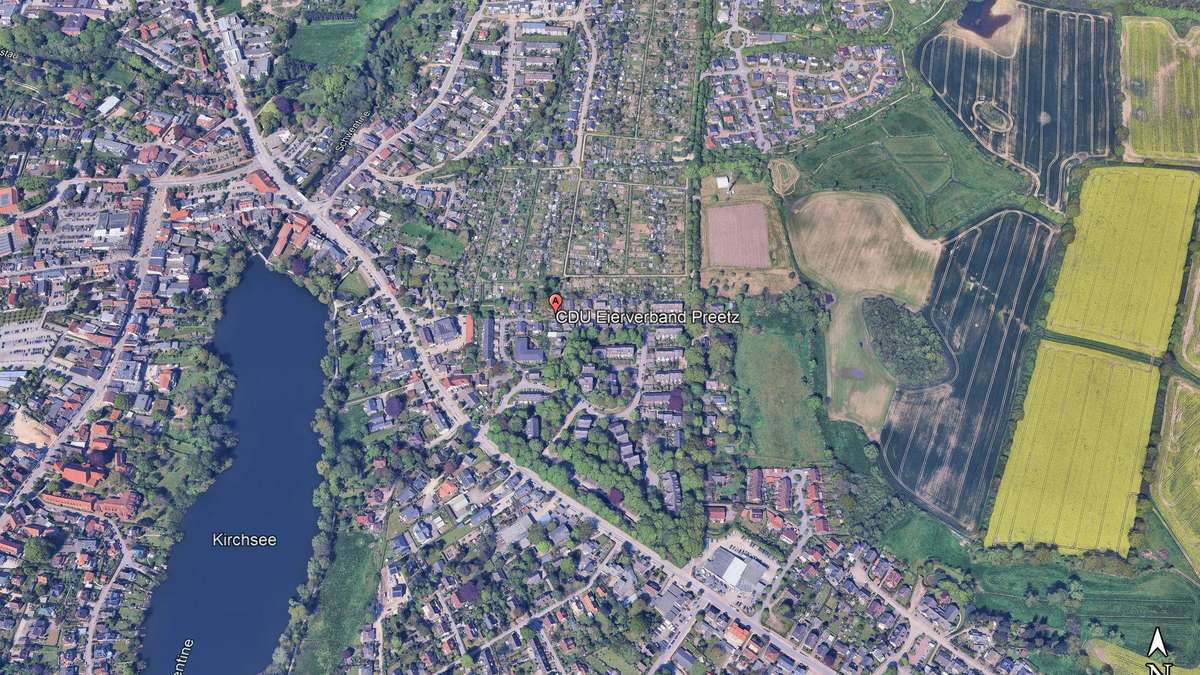
In a bizarre and widely reported incident that unfolded across Germany, numerous offices of the Christian Democratic Union (CDU) found their official listings on Google Maps abruptly altered, replacing the conventional google maps cdu name with the whimsical and sometimes provocative moniker "Eierhaus" (Egg House). This digital mischief, which also included names like "buntes Eierhaus" (colorful Egg House) and even "Schuldenfabrik" (Debt Factory), sparked curiosity, amusement, and a serious discussion about the vulnerabilities of online business listings.
The changes were far-reaching, affecting CDU offices from Brandenburg to Berlin and beyond. In Brandenburg, for instance, searches for local CDU party offices often led users to entries like "CDU buntes Eierhaus – Landesverband Brandenburg" for the state headquarters in Potsdam. Kreisverbände (district associations) in Barnim, Cottbus, Potsdam-Mittelmark, Oberspreewald-Lausitz, Schwarzheide, and Spremberg similarly bore the "Eierhaus" suffix. Potsdam-Mittelmark even specifically became a "colorful Egg House." Beyond the map markers themselves, these altered titles also appeared in the search result listings and pop-up windows associated with the locations.
Berlin was not immune to this peculiar prank. The CDU district association in Berlin-Kreuzberg, for example, appeared as "CDU Eierhaus Berlin-Kreuzberg." Other affected locations in the capital included the CDU faction in the Treptow-Köpenick district assembly, the CDU district association of Treptow-Köpenick, and the Neu-Tempelhof local association. In a separate, distinct alteration, the CDU Kreisverband Märkisch-Oderland was relabeled "CDU Schuldenfabrik Kreisverband Märkisch-Oderland," suggesting a diverse range of satirical intent behind the alterations.
While the digital prank spread rapidly and caught many off guard, the alterations proved to be temporary. Google, as the platform owner, promptly worked to correct the erroneous information once reports came in. The markers and listings eventually reverted to their proper CDU names on Google Maps, but not before drawing significant media attention and highlighting the ease with which online information can be manipulated.
Unraveling the Mystery: Who Was Behind 'Eierhaus' and Why?
The immediate aftermath of the "Eierhaus" incident left many questioning the identity of the perpetrators and their motivations. Google, for its part, stated its commitment to keeping Maps information as accurate as possible and encourages users to report erroneous data via its feedback button. However, the decentralized nature of online activism makes it challenging to pinpoint the exact individuals or groups responsible for such a coordinated digital attack.
Despite the anonymity, speculation quickly turned to a potential connection with recent youth protests. Media outlets, including the Frankfurter Allgemeine Zeitung, drew a link to student demonstrations against conscription earlier in March in Berlin. A specific incident stood out: an 18-year-old protester displayed a sign with the provocative message "Merz leck Eier" (Merz lick eggs), referring to CDU leader Friedrich Merz. Police subsequently launched an investigation into the young man on suspicion of defaming a federal chancellor and the CDU chief. This phrase, especially the "Eier" (eggs) component, provided a plausible, albeit indirect, linguistic link to the "Eierhaus" phenomenon.
The timing and nature of the Google Maps changes suggest a deliberate act of digital protest or satire. Such actions are characteristic of modern digital activism, where online platforms are used to convey political messages, mock opponents, or draw attention to specific grievances. Whether the "Eierhaus" prank was a direct retaliatory act, a widespread emulation of the protest sign's sentiment, or simply an opportunistic use of a trending phrase, its intent was clearly to undermine or ridicule the CDU's online presence.
Interestingly, the CDU's response to the incident was notably calm. Julian Brüning, General Secretary of Brandenburg's CDU, took the entries with a smile, stating, "We take it easy. The entry will be corrected, and then political work will continue. A digital joke is quickly made – for the real challenges in Brandenburg, something more substantial is needed." This measured reaction aimed to downplay the impact of the prank, redirecting focus back to the party's political agenda and implying that such digital stunts lack real substance, although they undeniably draw public attention.
The Broader Implications of Digital Mischief on Google Maps
While a "digital joke" might seem trivial, the "Eierhaus" incident underscores significant implications for businesses, organizations, and even political parties that rely heavily on their online presence. In today's interconnected world, a prominent and accurate listing on Google Maps is not just a convenience; it's a critical component of local SEO and public perception. For political parties like the CDU, maintaining a professional and reliable image across all digital touchpoints is paramount for voter trust and engagement.
The ease with which a critical piece of information – the organization's name – was altered demonstrates a vulnerability inherent in user-generated content platforms. Although Google has robust mechanisms to prevent and correct abuse, the initial propagation of such a prank can cause confusion, generate negative publicity, and demand resources for rectification. Even if temporary, the image of "CDU Eierhaus" in search results, particularly for those unfamiliar with the context, could momentarily affect how the party is perceived.
This incident serves as a stark reminder of the power dynamics at play in the digital sphere. Individuals or small groups, even if anonymous, can leverage widely used platforms to disseminate their messages or register their dissent, bypassing traditional media channels. The temporary alteration of the google maps cdu name highlights the thin line between legitimate user contributions and malicious digital vandalism. It forces organizations to consider their digital resilience and how quickly they can respond to unauthorized changes to their online identity.
Moreover, the prank extended beyond the CDU, reportedly affecting CSU (Christian Social Union) offices as well, indicating a broader coordinated effort against Germany's center-right political bloc. This wasn't an isolated incident, underscoring a nationwide trend of digital mischief targeting CDU offices. It signifies a growing trend where online mapping services can become a battleground for political statements and humor, challenging the established norms of online reputation management.
Safeguarding Your Digital Footprint: Tips for Businesses and Organizations
The "Eierhaus" incident provides valuable lessons for any organization, political or commercial, about the importance of vigilant digital presence management. While no system is entirely foolproof against determined digital mischief, proactive steps can significantly reduce vulnerability and accelerate response times. The motivations behind such digital acts, which might be connected to anti-conscription protests or other political grievances, can vary, but the defense strategies remain consistent.
Here are practical tips to safeguard your organization's digital footprint on platforms like Google Maps:
- Claim and Verify Your Google My Business (GMB) Profile: This is the foundational step. Claiming your GMB profile gives you primary control over your listing. Verification, often through postal mail or phone, confirms your ownership and helps prevent unauthorized access.
- Regularly Monitor Your Listings: Don't just set it and forget it. Periodically check your GMB profile and perform searches for your organization's name on Google Maps. Look for any unauthorized changes to your name, address, phone number, website, or operating hours.
- Implement Multi-User Management with Strong Access Controls: If multiple people manage your GMB profile, ensure each has appropriate access levels. Use strong, unique passwords and enable two-factor authentication for all associated Google accounts. Review access periodically.
- Understand Google's Reporting Mechanism: Familiarize yourself with how to report incorrect information on Google Maps. There's usually a "Suggest an edit" or "Report a problem" option. Knowing this process beforehand will allow for a swift response when an issue arises.
- Set Up Google Alerts: Create Google Alerts for your organization's name combined with "Google Maps" or "Google My Business." This can notify you via email if your entity is mentioned in relation to these platforms, potentially flagging discussions about unauthorized changes.
- Build a Strong Online Presence Beyond GMB: While GMB is crucial, diversify your online presence. Consistent listings across other directories (e.g., Yelp, industry-specific sites) and a robust, frequently updated website reinforce your official information, making it harder for false data to gain traction.
- Have a Digital Crisis Communication Plan: Prepare for the eventuality of a digital attack or misinformation campaign. Who is responsible for monitoring? Who will communicate with Google? What is the official statement template? A clear plan minimizes panic and ensures a coordinated response.
- Encourage Legitimate Reviews: While the "Eierhaus" incident was a name change, managing reviews is also part of GMB hygiene. Encouraging positive and authentic reviews from your supporters can build a strong, credible online reputation that is harder for malicious actors to undermine.
Conclusion
The "Eierhaus" saga on Google Maps, where the official google maps cdu name was temporarily replaced by a satirical moniker, serves as a vivid illustration of the intersection between digital platforms, political expression, and cybersecurity challenges. What started as an anonymous digital prank highlighted the vulnerabilities in online local listings and the potential for seemingly minor alterations to command significant public and media attention. For organizations navigating the complexities of the digital age, this incident underscores the critical importance of proactive digital hygiene, continuous monitoring, and robust response strategies to protect their online identity and maintain public trust. In a world where information can be altered with a few clicks, vigilance is not just good practice—it's essential for reputation management and operational continuity.